
Ferroglobe France's procurement team buys for multiple plants across Europe and Africa. Since 2022 it has put its tendering through DeepStream: 1,607 sourcing events in three years, with over 97% of tenders built from a standard template. Here's how a lean team made one standard process the way it tenders, and what it changed for the buyers who use it.
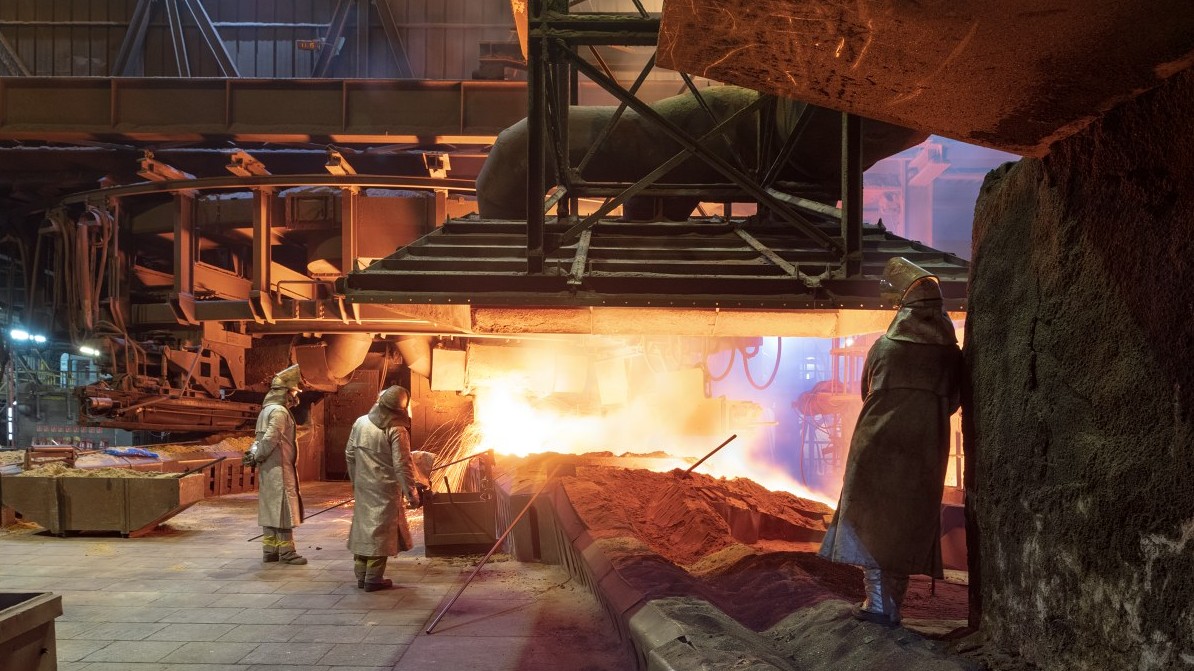
Ferroglobe describes itself as a world leader in advanced metallurgical products, from silicon metal to manganese alloys and ferrosilicon. In France, its procurement team (operating as Ferropem) buys for multiple plants across Europe and Africa. Since 2022, that team has run its tendering through DeepStream. This is the story of how a lean team put three years of sourcing through one standard process, and what it changed for the buyers who use it.
Where they started
Before 2022, tendering at Ferroglobe France ran on email. Requirements went out as attachments, responses came back in whatever shape each supplier chose, and the record of a tender lived in one buyer's inbox and folder structure.
Technical colleagues had no way to follow a live process without asking the buyer directly. Each buyer ran tenders their own way, so a good approach at one plant stayed at that plant. The team needed one place, and one way, to run a tender.
"When your template is done and you create a new tender request, it takes you maybe five, ten minutes, it's finished, created, you send it and you wait for the answer. It's very efficient." - Guillaume Duroyon, Procurement Director, Europe and Africa, Ferroglobe France
What runs through the platform today
- Manufacturing consumables and packing: 100% of tenders in these categories.
- Spare parts: large spare-parts tenders run through the platform. Small stock refills are deliberately left out, because the process cost is not worth it for them.
- Services: a team rule that anything above roughly €3,000 is tendered through the platform rather than placed directly.
- Multiple stages as standard: a first stage for initial proposals, a second for best and final offers, and an extra stage for technical visits where the tender needs one.
- One shared supplier database: built and owned by the buyers themselves, with their own named contacts at each supplier.
"You have no limitations, so you can put everything in there. It's better than an email, which can be limited with drawings and so on. It avoids a lot of emails." - Guillaume Duroyon
The record, three years in
All figures below are taken from Ferroglobe France's own activity in the platform, over three years to September 2026.
- 1,607 sourcing events run
- 6,480 supplier invitations issued, with around 4 suppliers invited per tender on average
- 69.5% supplier response rate
- 13.8 days median time from opening a tender to closing it
- Over 97% of tenders created from a standard template
"It improves a lot the professionalism of each tender process, because it's done in the same way each time." - Guillaume Duroyon
What made it work
Software on its own does not produce the record above. Five decisions by Guillaume's team did, and they are the part of this story worth copying.
- Templates built once, then reused. Over 97% of tenders start from a standard template. That single habit is what turns a tender into a ten-minute job instead of a morning's work.
- A threshold the team set itself. Services above roughly €3,000 go through the platform. Nobody outside procurement had to mandate it, and because the rule is the team's own, it holds.
- Deliberate scope, including what to leave out. High-value and repeat categories in, small stock refills out. Running everything through a formal process would have cost more than it returned, and they said so.
- More than one stage, as the norm. A best and final round on top of first proposals, and a technical visit stage where the tender warrants it.
- A supplier base owned by the buyers. The team builds and maintains its own supplier records and contacts, which is why adding a new supplier is their decision rather than a request to anybody else.
"Everybody in each plant sees what the other buyers do. You can also extend your sourcing value, because you can get a similar tender which has been done at another plant, and you can get the same suppliers." - Guillaume Duroyon
What Ferroglobe France is working on next with DeepStream
Guillaume's own priorities, in his own order:
- Structured evaluation and scoring on high-value tenders. In his words, compiling a technical and a commercial evaluation to select the best offer on both counts, which he describes as something the team wants to improve.
- Testing reverse auctions on one or two suitable categories, to see what they are worth to Ferroglobe.
- Rolling the platform out to departments in other countries.
Download the case study
Prefer a copy to share with your team? The full Ferroglobe France story is available as a two-page PDF.
Start small, scale from there
DeepStream delivers best-of-breed eRFx software with supporting source-to-contract modules, delivering the essential features that empower procurement teams to mature, step by step. We prioritise usability, ensuring our solution is the simplest, cleanest, and most user-friendly in the industry, backed by our dedicated customer success team. The procurement tech space is filled with hype, overselling, and mis-selling of sweeping, end-to-end digital transformation initiatives. Yet these projects fail because teams are sold overly-complex solutions they're expected to 'grow into'. This leads to tech overwhelm, low adoption, and wasted investment.
Our customers start by implementing the least amount of tech needed to achieve their immediate goals, helping them ensure rapid value realisation.
Want to see how your own sourcing compares? Take the Sourcing Efficiency Check, or find your tech fit with our interactive questionnaire.
Or, have some questions you'd like to chat through with our team? Schedule a call with our team to discuss your business-specific needs.